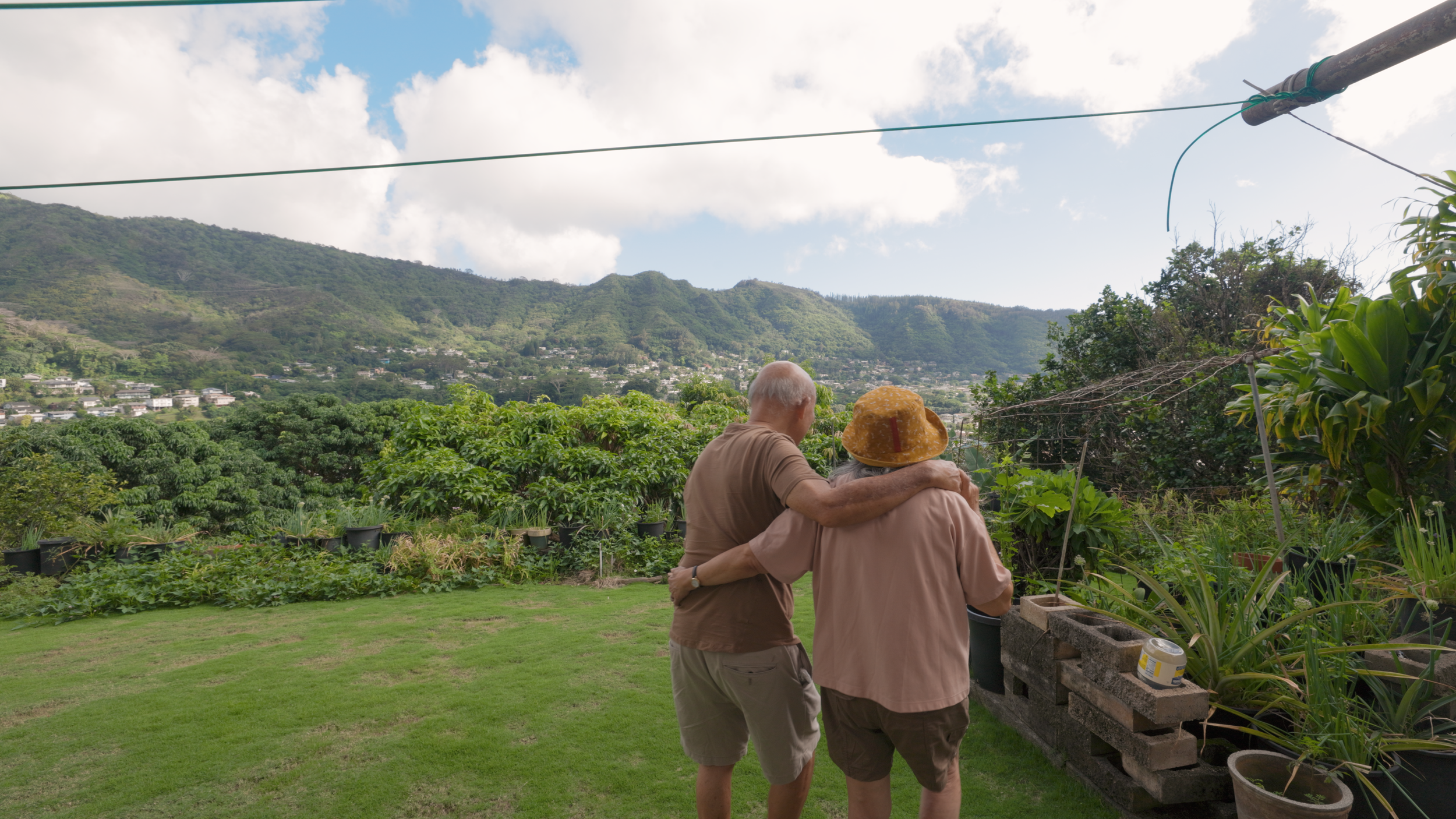
Mī Nai Chichi Nai
Short documentary & Multimedia Project, June 2026
(For privacy purposes, this video is password-protected. To view the full piece, please reach out.)
About
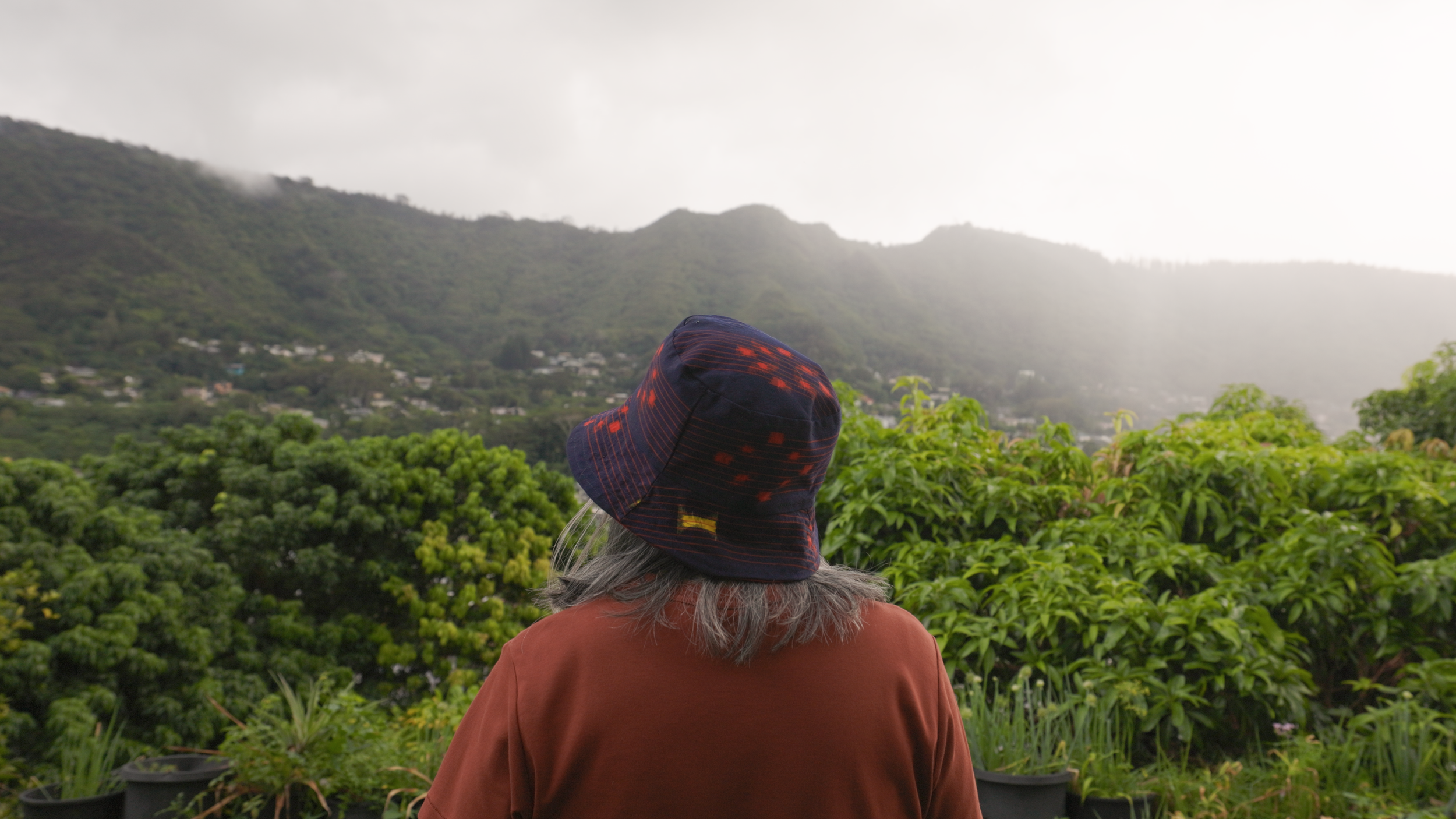
Miyoko Hata, an Okinawan elder in Hawaiʻi, reflects on her homes, her heartbreaks, and her happiest days with her granddaughter figure - both of them learning what it means to call a person, or a place, home.
Credits
Special Thanks: Miyoko Hata, Uncle Tommy, Ukwanshin Kabudan family, Sunrise Restaurant
Producer and Editor: Kaiya Laguardia-Yonamine
Camera Operator: Kaiya Laguardia-Yonamine
Archival Footage: Okinawa Prefectural Archives, Surf Style “Hawaii Calls” TV Archives
Behind the Lens
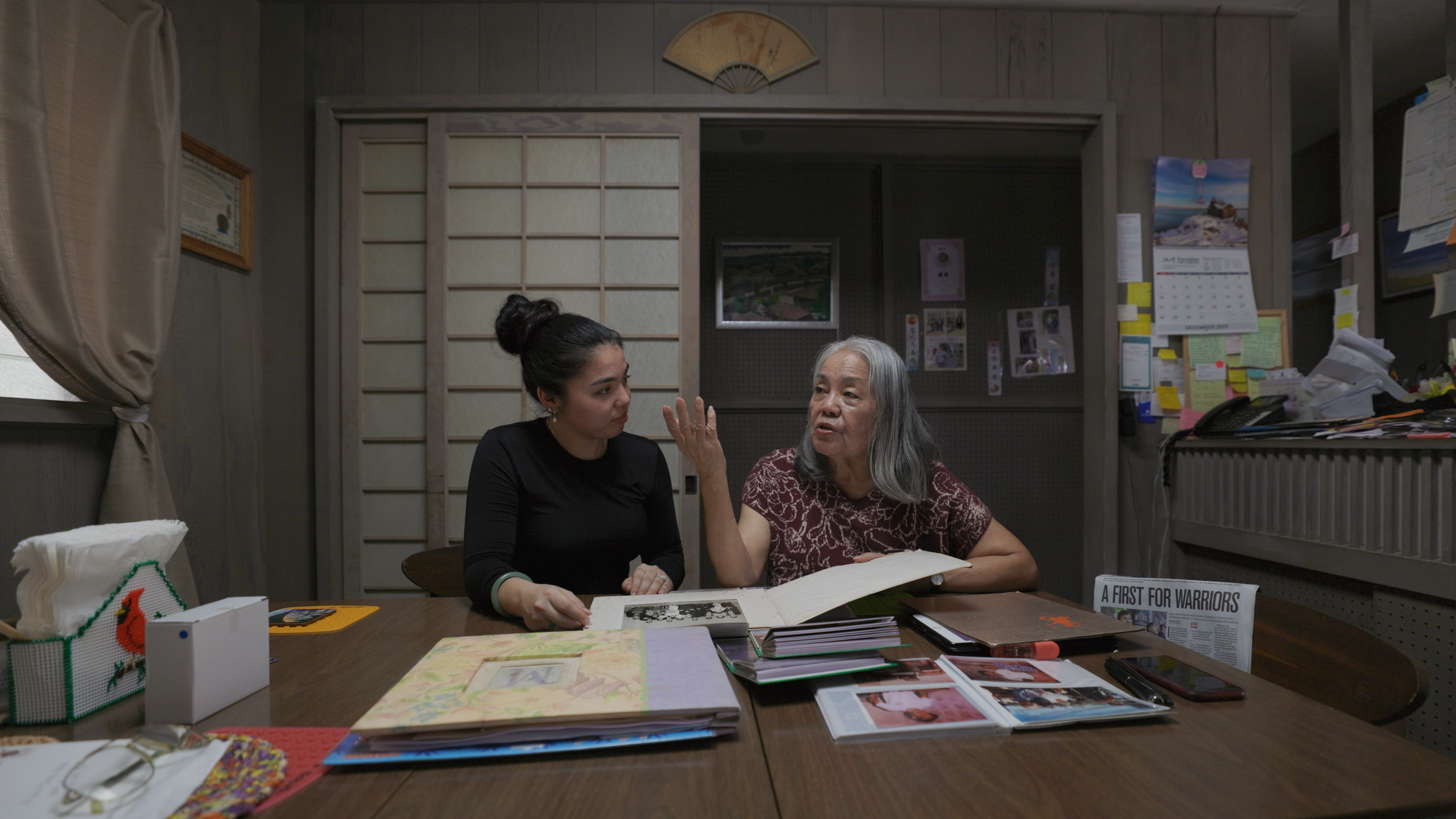
This story is one of the most important pieces I’ve had the privilege of creating. As part of my capstone project for the Multimedia Journalism MA program at the University of Oregon, I wanted to use my time to help document the oral history of my cultural community and heritage - starting with my beloved grandmother figure, Miyoko Hata. Miyoko san is a cherished elder within the Okinawan community of Hawai‘i, and has quickly become like family to me. But I never got the chance to hear her story in full. We decided to use this capstone experience to document her entire life story, and reflect on these lessons and memories to preserve for years to come.
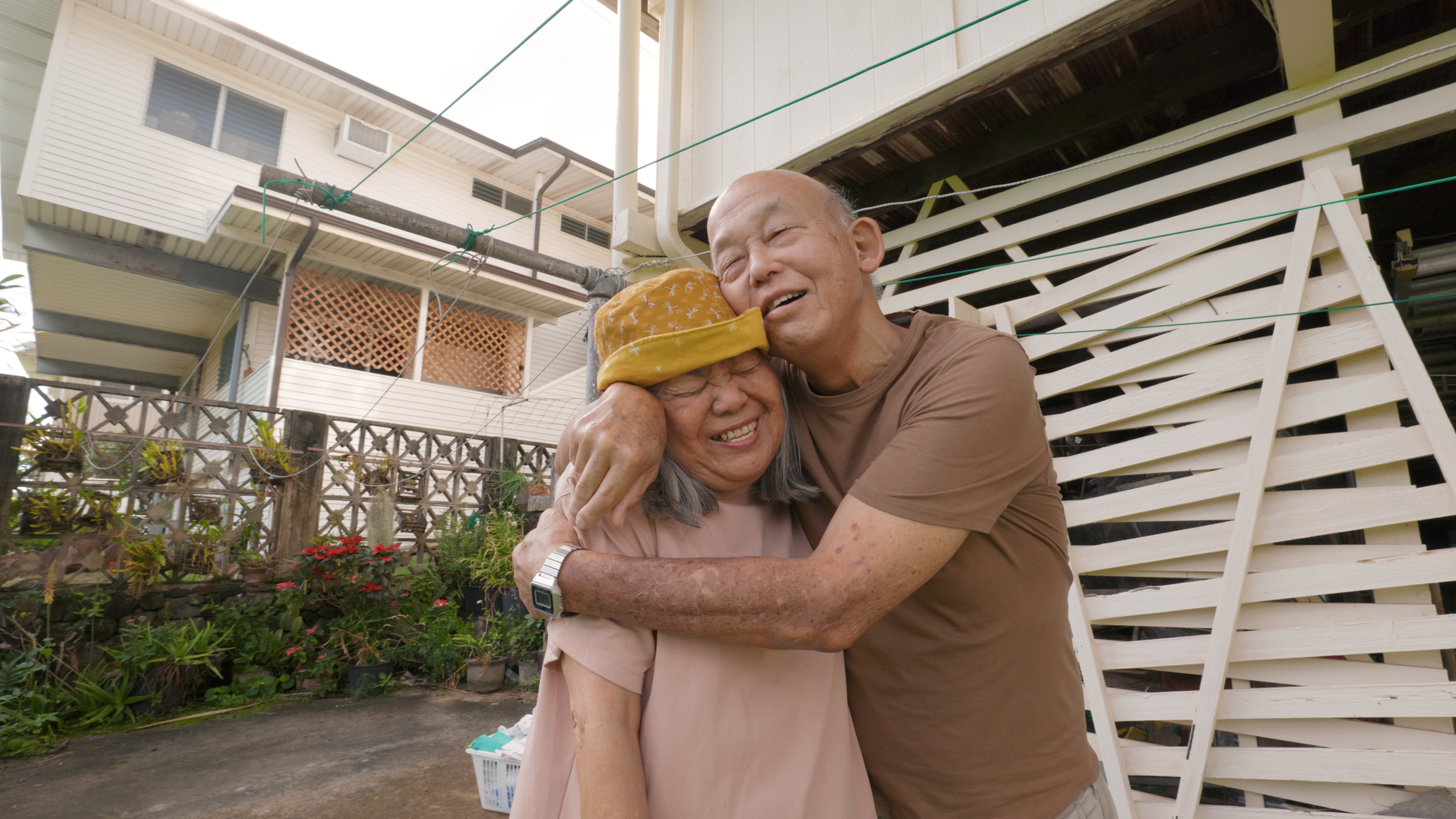
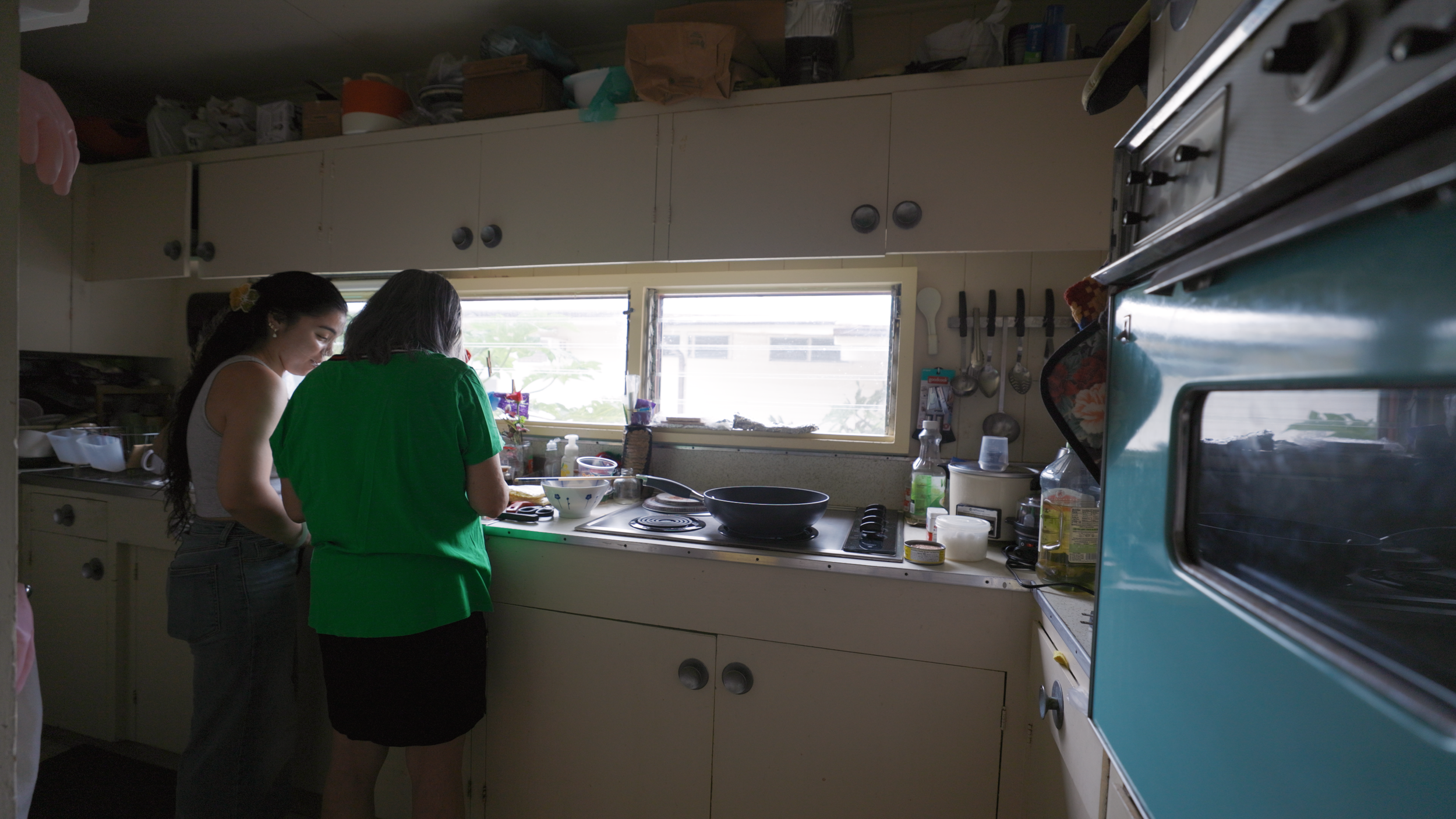
For two weeks, I stayed with Miyoko san in her home, recording any and everything she wanted to share or pass on to her family. We talked about her earliest memories in post-war Okinawa. We unpacked what it felt like to move from one island chain to another. We looked through photo albums, cooked nostalgic meals, cried a whole bunch, and embraced a whole bunch more.
Project Deliverables
By the end of the process, I was able to capture:
A 20-minute documentary following her story and our memories together
Hundreds of digitized scans from her photo album collection
A 2-hour-long polished audio interview of her life, in chronological order
Final Thoughts: Community-Centered Storytelling
As an Indigenous Ryūkyūan woman, a core passion and aspect of my work is the importance of community-centered storytelling - especially when our Indigenous community’s narratives have been written by others for so long. Growing up, I always knew that storytelling was my community’s way of passing our history along. Word of mouth, and sharing stories in our Indigenous languages, has been an integral part of keeping our legends, traditions, and philosophies alive. That is why I wanted to learn about journalism and media production techniques in the first place: to help my people learn how we can permanently record our own stories, our way.
With this, it was equally important for me to balance my own positionality with this project, and learn how to represent such a precious person in a just way. Who am I to tell this story? What do we both get out of this experience? How can I make it so that my elder feels empowered, embraced, and truly heard throughout the process? Being the video editor is such a vulnerable position, because I have the decision-making power to choose what parts of her story stay or go. I am eternally grateful that she trusted me in this process, and that we were able to document these memories while we can.
I hope to continue supporting and documenting our elders’ stories and our islands’ histories across Oceania. This experience is something I won’t ever regret creating for one second. Every moment together - even without the cameras rolling - is something I hold close to my heart and will protect for decades more.